California's habitability floor
THIS HOME IS NOT SAFE FOR ANYONE TO LIVE IN.
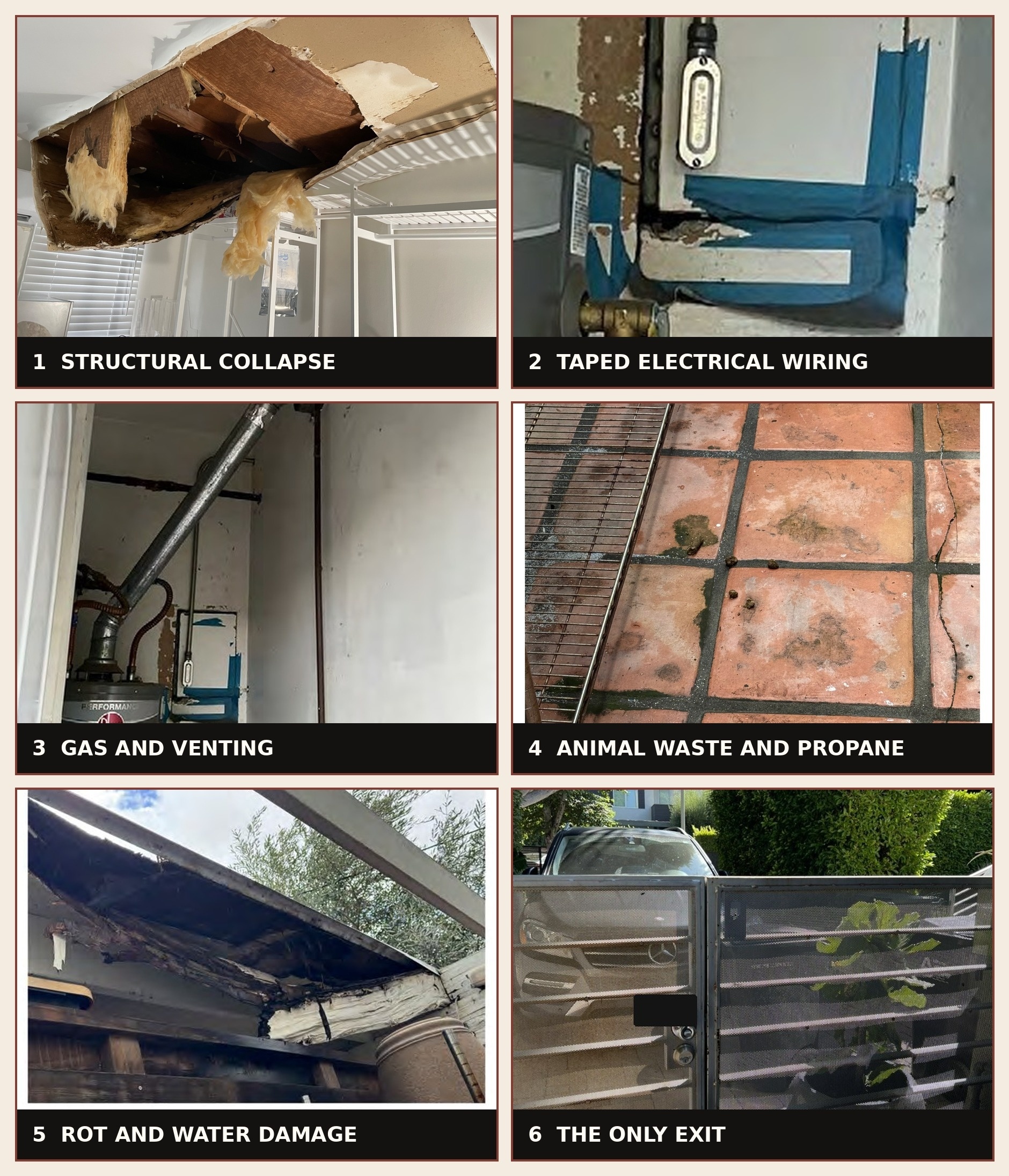
My disability made the danger more immediate. It did not create the defects. California's minimum habitability rules apply to every tenant.
What California requires
THE STANDARD IS NOT COMPLICATED.
A rental home must be fit for human occupation and must substantially comply with the building and health rules that protect life, health, and safety. These are not special accommodations for a disabled tenant. They are the floor for everyone.
- 01A roof and exterior that keep weather out.
California requires effective waterproofing and weather protection, including sound roofs, exterior walls, windows, and doors.
- 02Electrical wiring and equipment in good working order.
Taped wiring, exposed components, or unsafe electrical equipment are not cosmetic details.
- 03Safe plumbing, gas, heating, and venting.
Those systems must be maintained in good working order and installed under the permits and inspections the work requires.
- 04Clean and sanitary buildings and grounds.
The law addresses filth, garbage, animal waste, rodents, vermin, and other conditions that threaten health.
- 05No dangerous rot, dampness, or structural deterioration.
Deteriorated roofs, ceilings, supports, walls, and other structural hazards can make a building substandard.
- 06A safe and usable way out.
California identifies inadequate exits, fire hazards, unsafe wiring, and unsafe mechanical equipment as public safety conditions.
The indoor air record
THE CO2 HIT 2,249 PPM. I STARTED ELIMINATING VARIABLES.
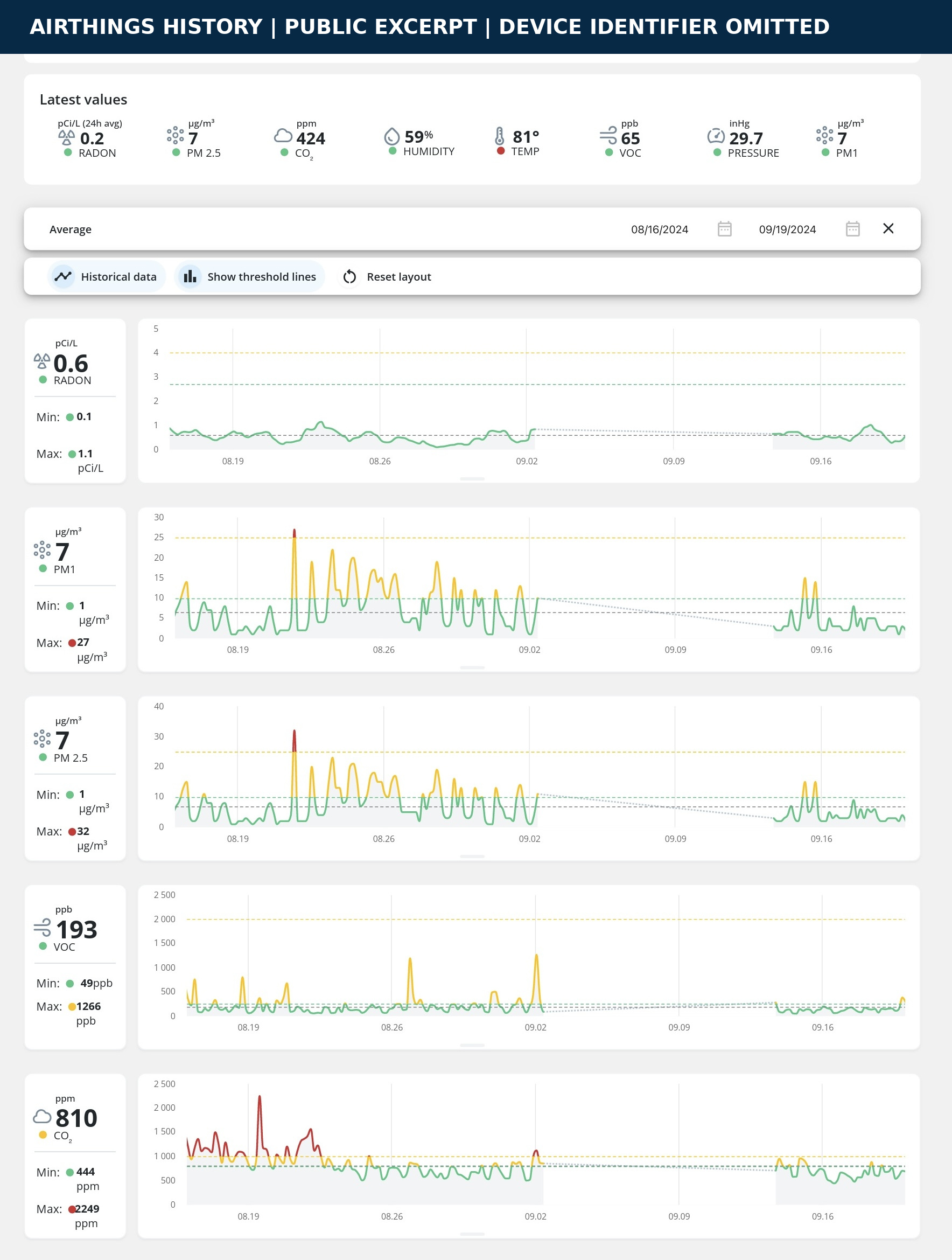
The AirThings record for August 16 through September 19, 2024 shows an average CO2 reading of 810 ppm and a maximum of 2,249 ppm.
The highest readings occurred early in the selected period. The later readings were lower after I paid to have the discarded refrigerator removed from the kitchen's only window.
The chart does not identify one exclusive source. It does establish why the blocked window belonged in a competent ventilation and combustion inspection.
What I did
I BOUGHT THE CONTROL GROUP.
I initially believed the gas stove and natural gas were causing the elevations. On September 15, 2024, I ordered a portable induction burner and multiple electric cooktops so I could stop using gas and watch what changed. Some electric units were later returned.
I was not remodeling the kitchen. I was trying to make the air safe. No competent inspection had isolated the source, evaluated the blocked window, or performed the basic combustion and ventilation workup. I was buying substitute appliances and running the experiment myself.
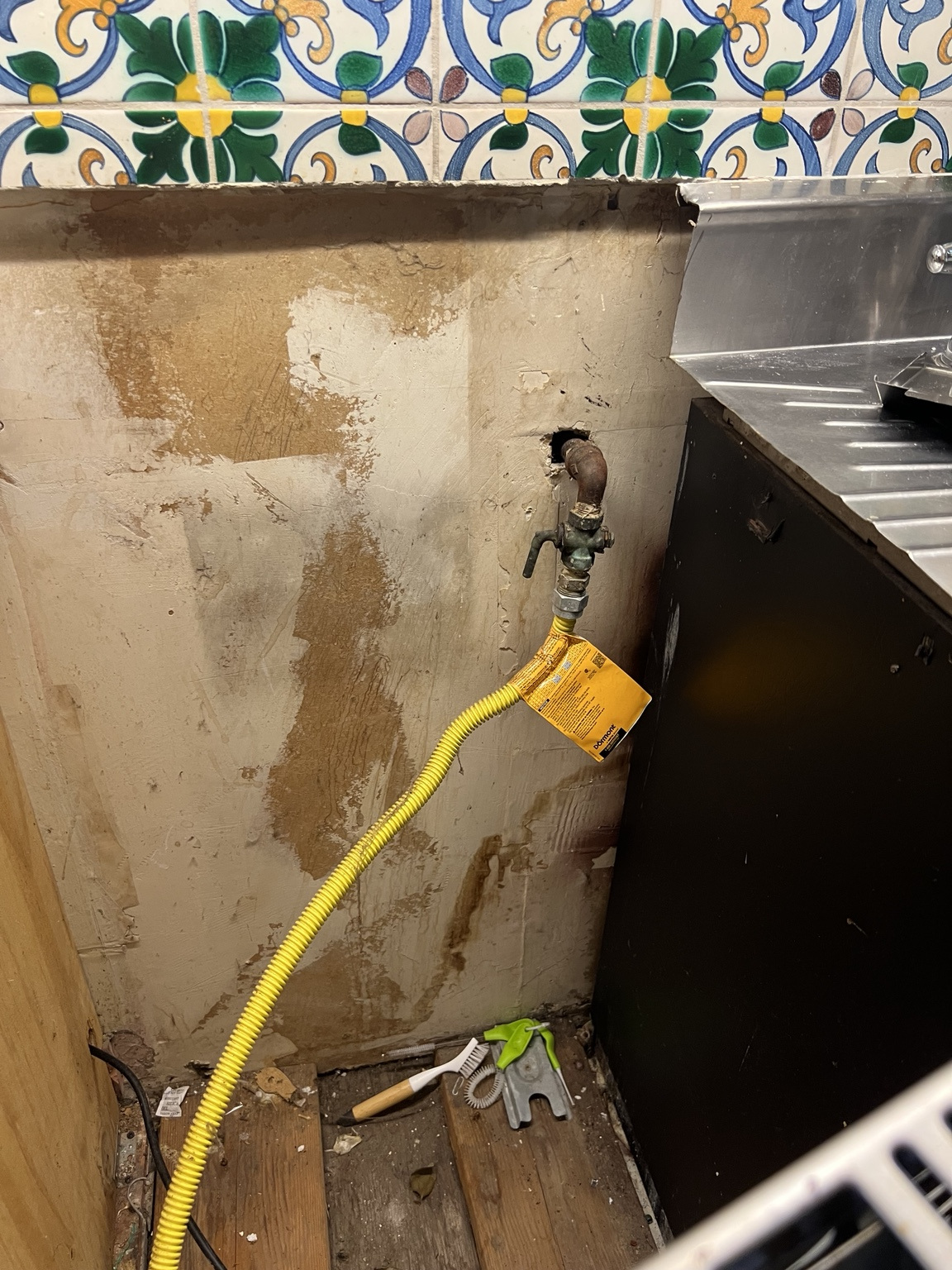
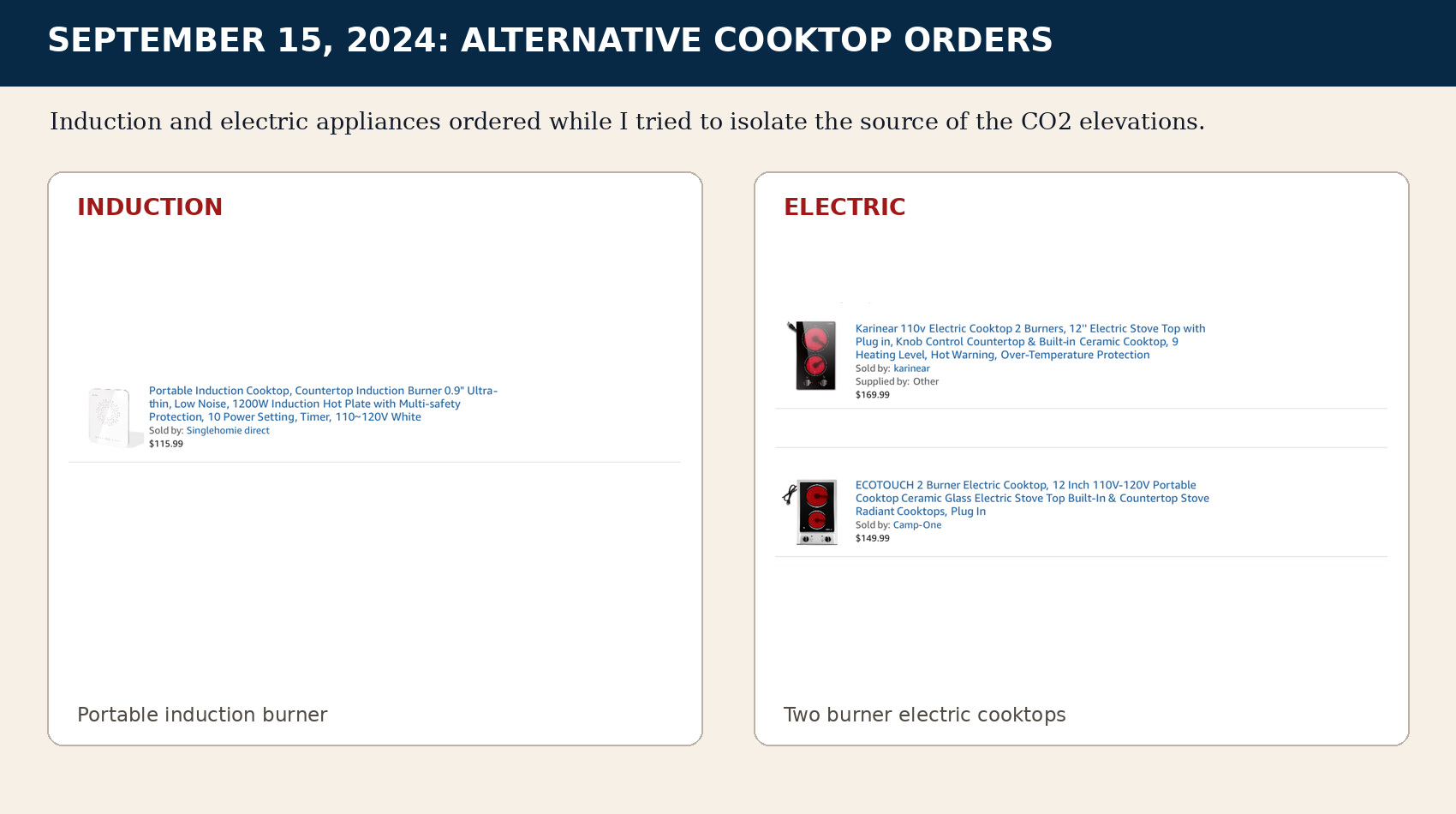
A TENANT SHOULD NOT HAVE TO REPLACE THE STOVE TO DIAGNOSE THE HOUSE.
Two critical fire-safety classifications
UNIT CRITICAL. PREMISES CRITICAL.
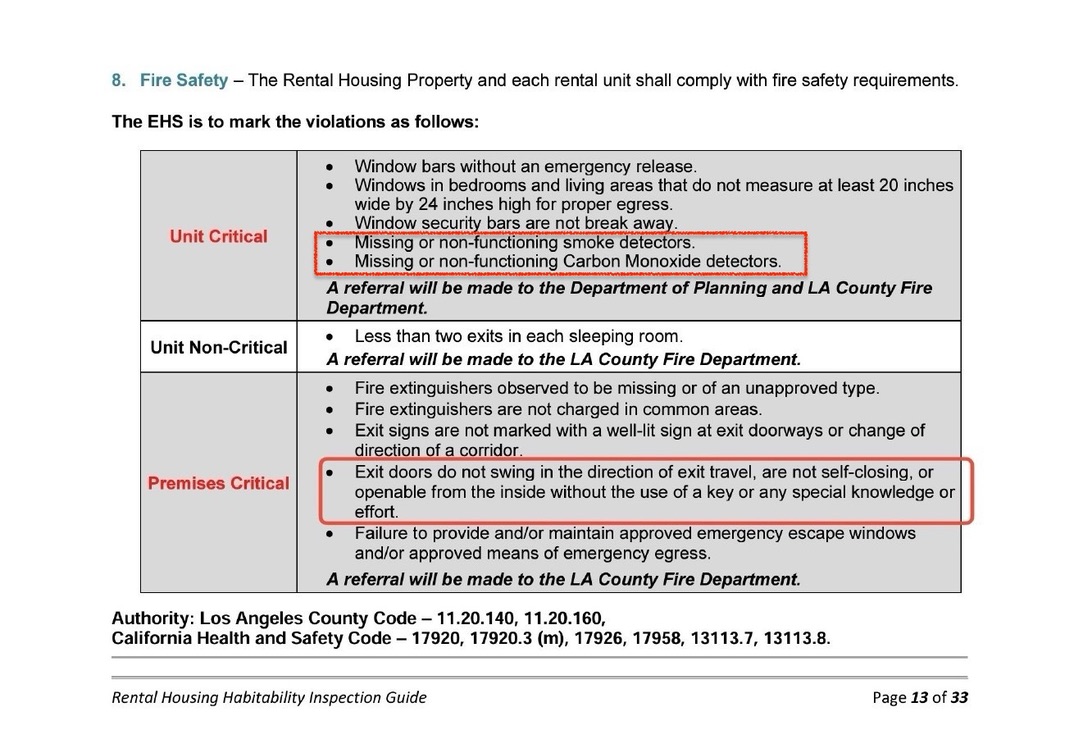
Los Angeles County’s Rental Housing Habitability Inspection Guide classifies a missing or nonfunctioning smoke detector and a missing or nonfunctioning carbon monoxide detector as Unit Critical. It separately classifies an exit door that does not swing in the direction of travel, close itself, or open from inside without a key or special effort as Premises Critical.
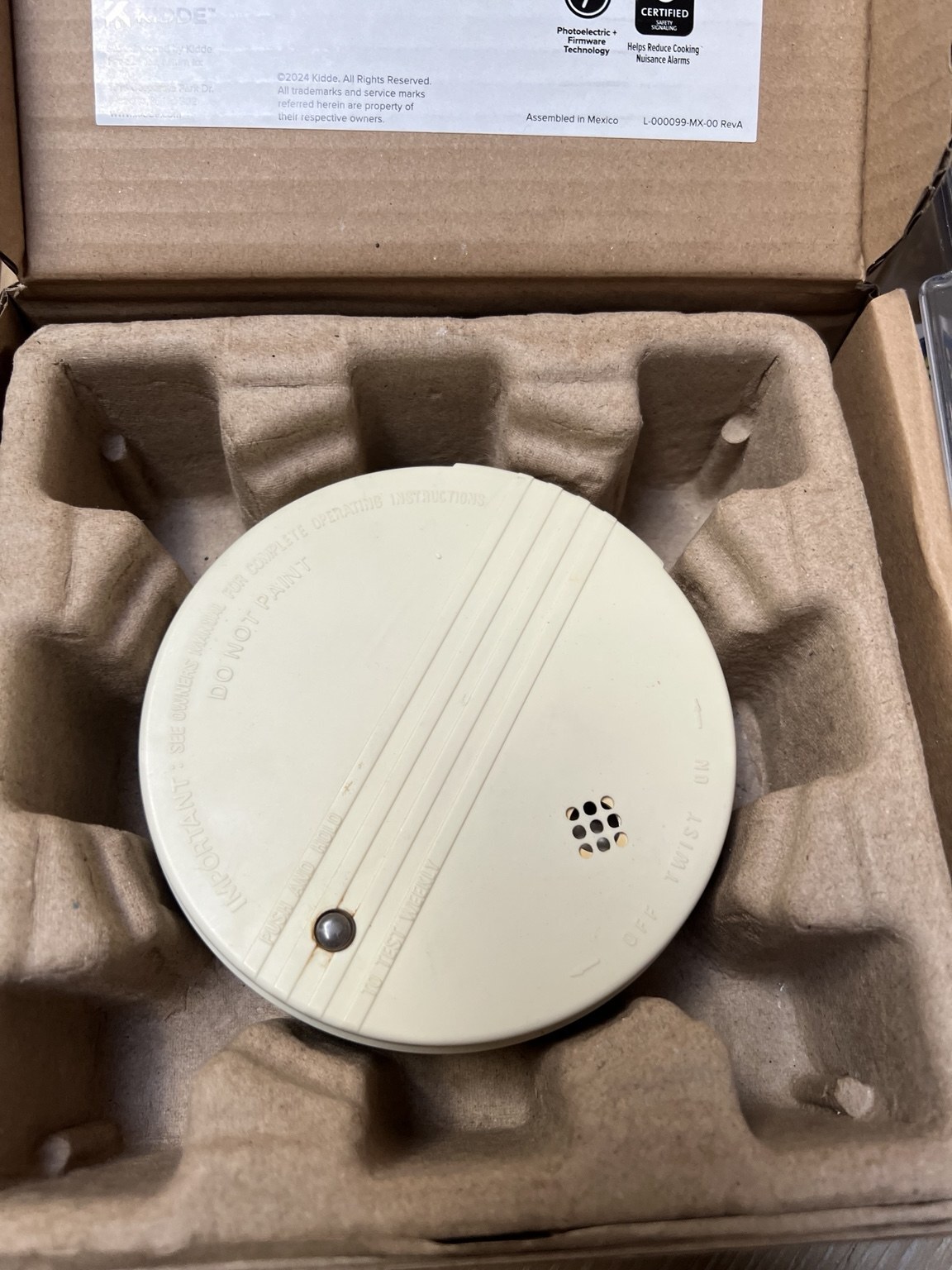
The record implicated both categories: a critical condition inside the home and a critical condition at the only practical exit. I found no carbon monoxide detector in the unit. The only alarm I recovered was an aged ionization smoke alarm whose exact model, manufacture date, operability, and placement require verification. The only route to the street was a keyed, inward-opening gate that should have been self-closing.
The actual notice record
THE QUESTION IS NOT WHETHER HE KNEW.
The written record shows direct notice, acknowledgments, repair lists, contractor scheduling, and repeated follow-up over years. The separate notice record puts those communications in chronological order.
What remains
THE HOME IS STILL UNSAFE. THE PROPERTY I LEFT BEHIND DID NOT REMAIN UNTOUCHED.
I consider the affected property destroyed. I will not carry items exposed to pervasive animal waste and repeated blower driven debris into my new home. I will not move furniture that remained in an indoor mold environment after the air conditioning was turned off.
I believe his conduct actively damaged and destroyed my property.
WEST HOLLYWOOD HAS LAWS. THIS RECORD SHOWS WHAT HAPPENS WHEN THEY ARE NOT ENFORCED.